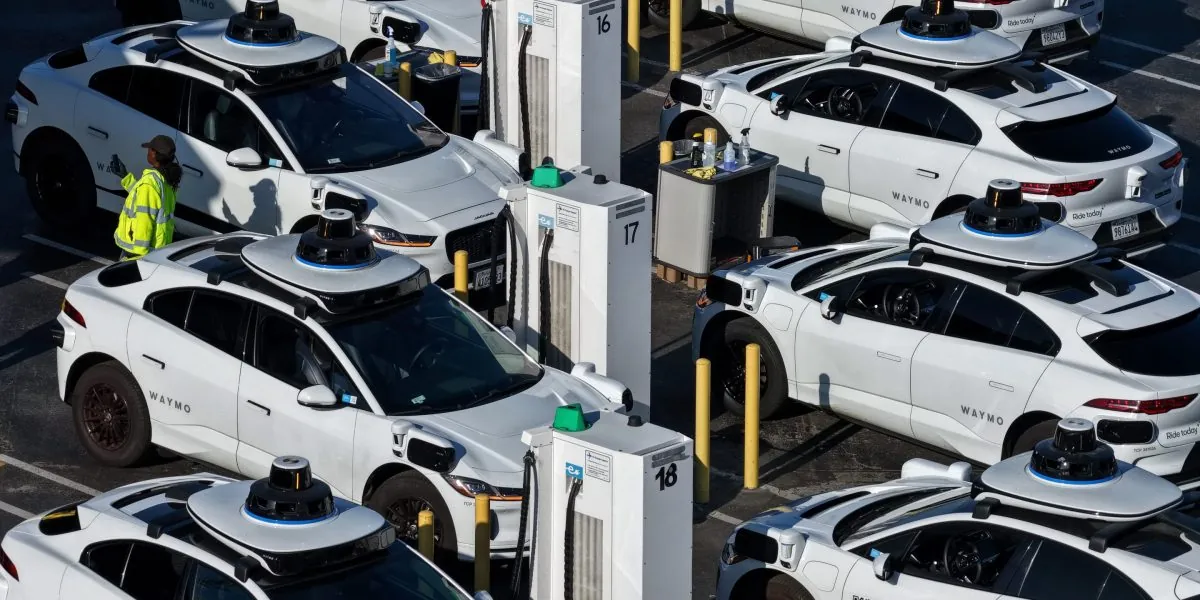
50 coordinated ride requests jam San Francisco Waymos off one dead-end street
Riley Walz got 50 people to order Waymos to the same dead-end San Francisco block at once, and Waymo disabled rides there until the next morning — a prank that worked as a denial-of-service against a fleet already covered by California rules requiring proven cybersecurity monitoring. QNX's Louay Abdelkader puts robotaxi security roughly where airbags sat before the 1998 federal mandate, and notes generative AI compresses the time an attacker needs to find flaws and automate exploits. The fleets scale regardless: Waymo now runs in 11 U.S. cities, Zoox holds a fresh NHTSA commercial exemption, and Tesla's Cybercab operates in at least seven cities.
Source: fortune.com ↗
When you're developing a cybersecurity system, you start from the ground up. It's like building a house. If your foundation is not strong, it becomes very difficult for you to build a robust and secure house.
Why this matters
- → A teenager's prank disabled Waymo service — exposing robotaxi fleets to trivial denial-of-service attacks desp
- → Generative AI compresses the gap between vulnerability discovery and automated exploitation, raising stakes be
- → Robotaxis scale nationwide (11+ Waymo cities, Zoox NHTSA approval) while cybersecurity remains regulatory afte